Suppressor
A suppressor (also called a silencer) reduces the sound signature and muzzle flash of your rifle by trapping and cooling propellant gases. While they don't make firearms "silent" like in movies, quality suppressors reduce report by 25-35 dB, bringing the sound below the threshold for hearing damage and making shooting more pleasant.
Showing 24 of 24 components
No Selection
Choose a suppressor for your build
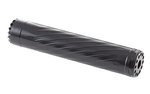
$924.80 In Stock
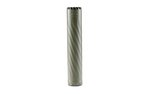
$1043.80 In Stock
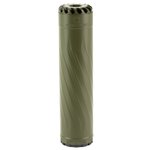
$939.89 In Stock
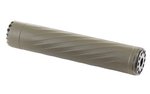
$924.80 In Stock
$1146.65 In Stock
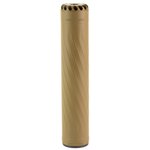
$1146.65 In Stock
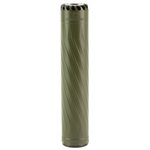
$831.99 In Stock
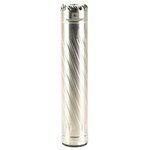
$1146.65 In Stock
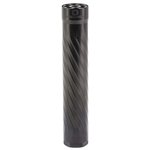
$423.30 In Stock
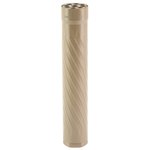
$475.15 In Stock
$475.15 In Stock
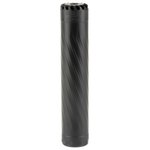
$971.35 In Stock
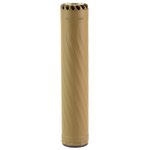
$903.74 In Stock
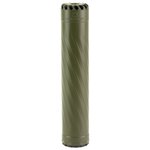
$1010.20 In Stock
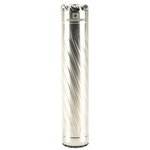
$972.99 In Stock
$892.24 In Stock
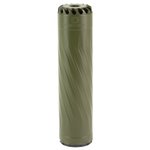
$927.93 In Stock
$958.80 In Stock
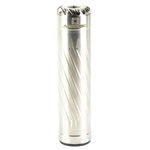
$958.80 In Stock
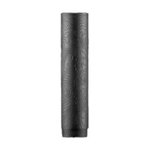
$1049.00
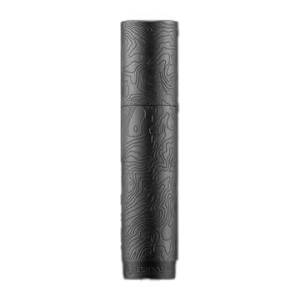
$1099.00
$1045.00
$1049.00
$1049.00
| Component | Manufacturer | Lowest Price | Rating | Action |
|---|---|---|---|---|
| | Echo Arms | $924.80 In Stock | — | |
| | Echo Arms | $1043.80 In Stock | — | |
| | Echo Arms | $939.89 In Stock | — | |
| Retail: $1088.00 10.2 oz | Echo Arms | $924.80 In Stock | — | |
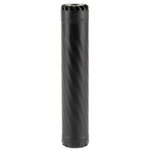 | Echo Arms | $1146.65 In Stock | — | |
| | Echo Arms | $1146.65 In Stock | — | |
| | Echo Arms | $831.99 In Stock | — | |
| | Echo Arms | $1146.65 In Stock | — | |
| | Echo Arms | $423.30 In Stock | — | |
| | Echo Arms | $475.15 In Stock | — | |
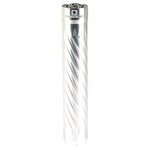 | Echo Arms | $475.15 In Stock | — | |
| | Echo Arms | $971.35 In Stock | — | |
| | Echo Arms | $903.74 In Stock | — | |
| | Echo Arms | $1010.20 In Stock | — | |
| | Echo Arms | $972.99 In Stock | — | |
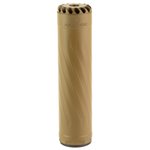 | Echo Arms | $892.24 In Stock | — | |
| | Echo Arms | $927.93 In Stock | — | |
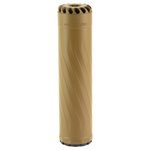 | Echo Arms | $958.80 In Stock | — | |
| | Echo Arms | $958.80 In Stock | — | |
Echo Arms | $1049.00 | — | ||
Echo Arms | $1099.00 | — | ||
Echo Arms | $1045.00 | — | ||
Echo Arms | $1049.00 | — | ||
Echo Arms | $1049.00 | — |