Sling
A sling allows you to carry your rifle hands-free, retain it during transitions, and can be used as a shooting aid for stability. Every rifle intended for use beyond a bench rest should have a sling.
Showing 21 of 21 components
No Selection
Choose a sling for your build
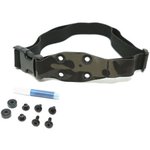
$26.82 In Stock
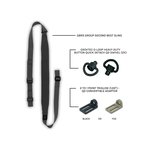
$87.95 In Stock
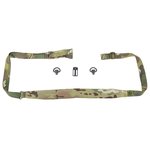
$83.92 In Stock
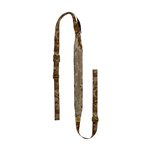
$112.98 In Stock
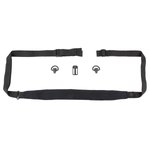
$83.92 In Stock
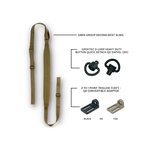
$83.92 In Stock
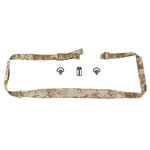
$87.95 In Stock
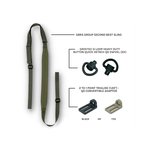
$112.98 In Stock
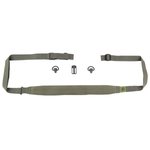
$87.95 In Stock
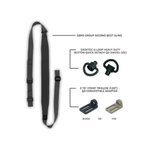
$94.37
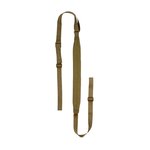
$47.15 In Stock
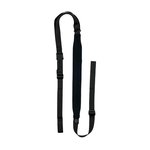
$67.95
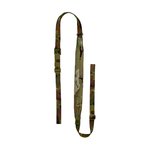
$68.98
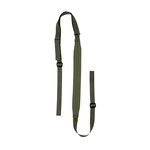
$68.98
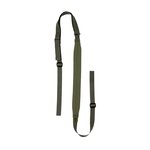
$49.42 In Stock
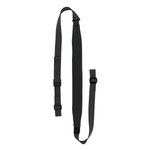
$47.15 In Stock
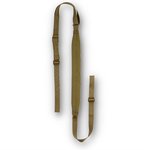
$59.99 In Stock
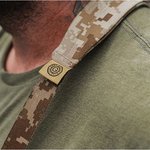
$47.15 In Stock
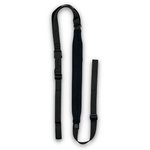
$50.35 In Stock
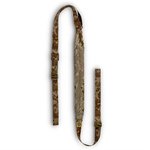
$47.15 In Stock
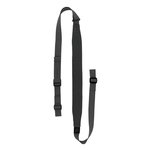
$68.98 In Stock
| Component | Manufacturer | Lowest Price | Rating | Action |
|---|---|---|---|---|
| | Gbrs Group | $26.82 In Stock | — | |
| Retail: $112.98 7.04 oz 20.00" - 40.00" | Gbrs Group | $87.95 In Stock | — | |
| Retail: $112.98 20.00" - 40.00" | Gbrs Group | $83.92 In Stock | — | |
| | Gbrs Group | $112.98 In Stock | — | |
| | Gbrs Group | $83.92 In Stock | — | |
| Retail: $112.98 7 oz | Gbrs Group | $83.92 In Stock | — | |
| | Gbrs Group | $87.95 In Stock | — | |
| | Gbrs Group | $112.98 In Stock | — | |
| | Gbrs Group | $87.95 In Stock | — | |
| | Gbrs Group | $94.37 | — | |
| | Gbrs Group | $47.15 In Stock | — | |
| | Gbrs Group | $67.95 | — | |
| | Gbrs Group | $68.98 | — | |
| Retail: $68.98 2.7 oz 20.00" - 60.00" | Gbrs Group | $68.98 | — | |
| | Gbrs Group | $49.42 In Stock | — | |
| | Gbrs Group | $47.15 In Stock | — | |
| | Gbrs Group | $59.99 In Stock | — | |
| Retail: $59.99 2.7 oz 20.00" - 60.00" | Gbrs Group | $47.15 In Stock | — | |
| | Gbrs Group | $50.35 In Stock | — | |
| | Gbrs Group | $47.15 In Stock | — | |
| | Gbrs Group | $68.98 In Stock | — |