Recoil Spring Assembly
The recoil spring assembly manages the energy cycle of the action—absorbing recoil as the slide or bolt moves rearward and returning it to battery for the next shot. The right spring weight is essential for reliable function, felt recoil, and component longevity.
Showing 15 of 15 components
No Selection
Choose a recoil-assembly for your build
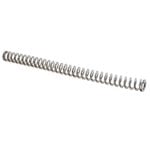
$7.95 In Stock
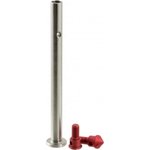
$22.95 In Stock
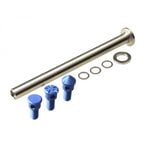
$17.51 In Stock
$11.95 In Stock

$9.95
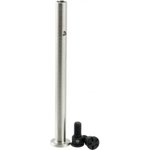
$19.95 In Stock
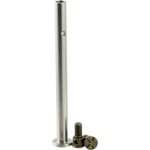
$22.95 In Stock

$7.95 In Stock

$7.95 In Stock
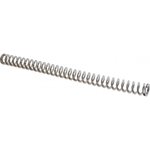
$7.95 In Stock
$15.89 In Stock
$18.48 In Stock
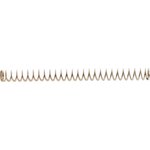
$7.95 In Stock
$7.95 In Stock
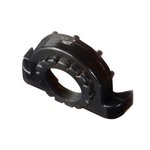
$7.99 In Stock
| Component | Manufacturer | Lowest Price | Rating | Action |
|---|---|---|---|---|
Strike Industries | $7.95 In Stock | — | ||
| | Strike Industries | $22.95 In Stock | — | |
Strike Industries | $17.51 In Stock | — | ||
Strike Industries | $11.95 In Stock | — | ||
Strike Industries | $9.95 | — | ||
Strike Industries | $19.95 In Stock | — | ||
Strike Industries | $22.95 In Stock | — | ||
Strike Industries | $7.95 In Stock | — | ||
Strike Industries | $7.95 In Stock | — | ||
| | Strike Industries | $7.95 In Stock | — | |
Strike Industries | $15.89 In Stock | — | ||
Strike Industries | $18.48 In Stock | — | ||
Strike Industries | $7.95 In Stock | — | ||
Strike Industries | $7.95 In Stock | — | ||
| | Strike Industries | $7.99 In Stock | — |