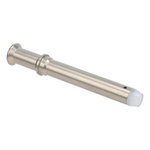
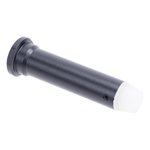
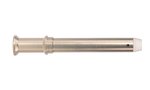
The buffer works with the buffer spring to control the bolt carrier group's cycling speed and absorb recoil energy. Selecting the correct buffer weight is crucial for reliable function and can significantly affect felt recoil and the rifle's overall shooting characteristics.
Buffer Weights
Carbine (3.0 oz): Standard weight for 16"+ barrels with carbine gas systems. The baseline for most 5.56 builds.
Heavy/H (3.8 oz): One tungsten weight replaces a steel weight. Reduces bolt carrier velocity for smoother cycling. Good for mid-length gas systems or slightly overgassed rifles.
H2 (4.6-4.7 oz): Two tungsten weights. Popular for suppressed rifles or builds with adjustable gas blocks tuned to the ragged edge. Also good for some 14.5" builds.
H3 (5.4-5.6 oz): Three tungsten weights. For heavily overgassed systems or specialized applications. Can cause short-stroking if the system isn't gassed appropriately.
Rifle (5.0 oz): Longer buffer for rifle-length buffer systems. Not compatible with carbine tubes.
Pistol/9mm (5.0-8.5 oz): Heavy buffers for blowback pistol caliber carbines that don't use a gas system.
Buffer Types
Standard: Steel body with internal weights and a rubber bumper.
Hydraulic: Contains fluid that dampens the recoil impulse. Reduces felt recoil and muzzle rise. JP Enterprises Silent Captured Spring is a popular example.
Adjustable: Allows adding or removing weights to tune the system. Useful for experimentation but adds complexity.
Selection Guidelines
Start with the standard weight for your configuration (carbine buffer for carbine gas, H buffer for mid-length). If you experience excessive recoil, brass ejecting forward (overgassed), or bolt bounce, move up in weight. If you have failures to lock back, short-stroking, or weak ejection, move down in weight.
For suppressed rifles, start with an H2 and tune from there, as suppressors significantly increase back pressure and bolt carrier velocity. The goal is smooth, consistent ejection at the 3-4 o'clock position.